PHP[tek] 2026: Practical PHP, Chicago Hot Dogs and All The Elephpants
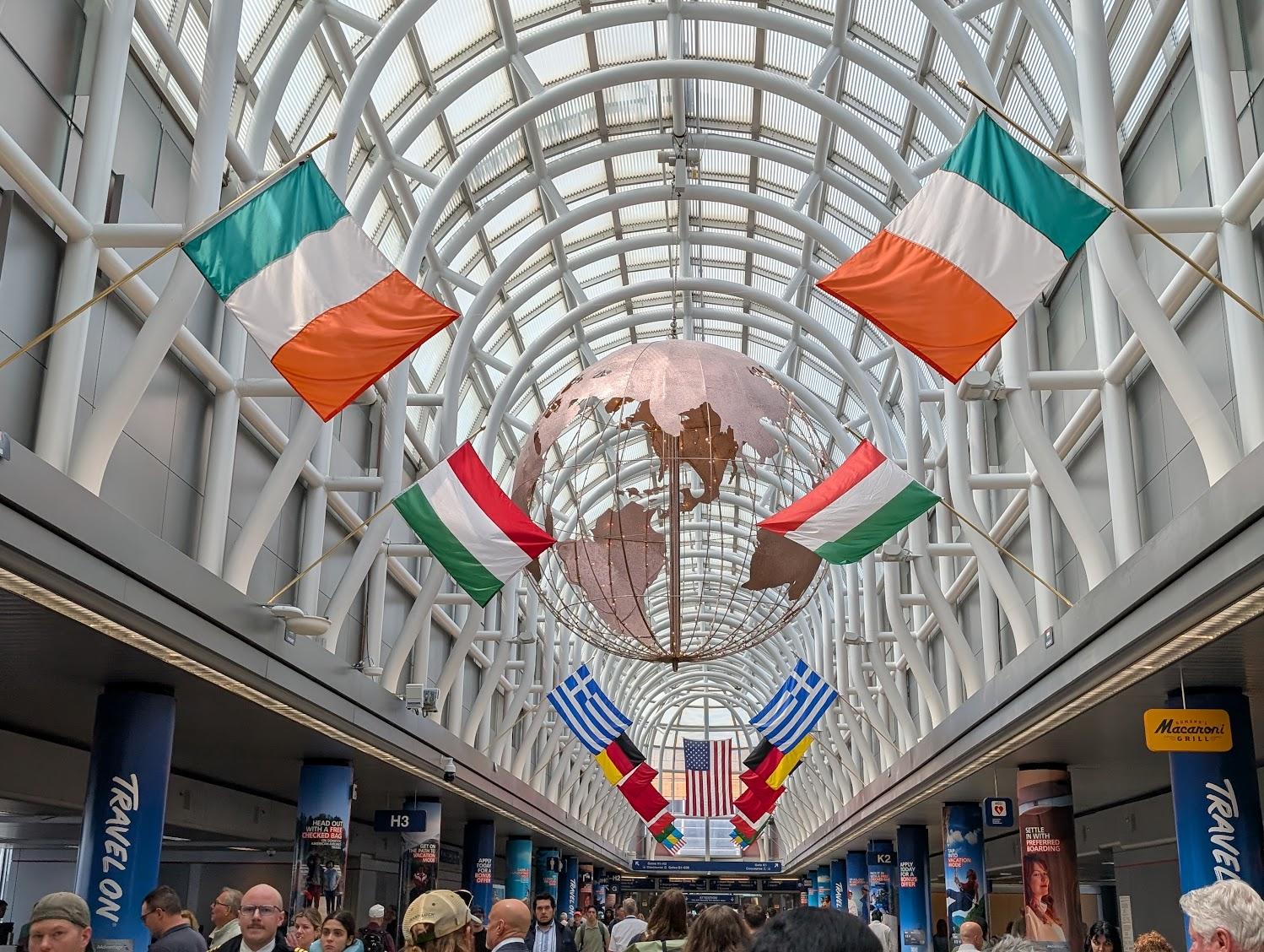
In May 2026 I made my first trip to PHP[tek], and my first trip to Chicago.
Both had been on the list for a while. PHP[tek] is one of those conferences that comes up again and again when you talk to people in the PHP community: long-running, community-heavy, practical, and with a reputation for being very good craic. It more than lived up to that billing.
I was lucky enough to give two talks while I was there: Modern PHP Features You're Probably Not Using and Avoiding Déjà Vu: Building More Resilient APIs with Idempotency.
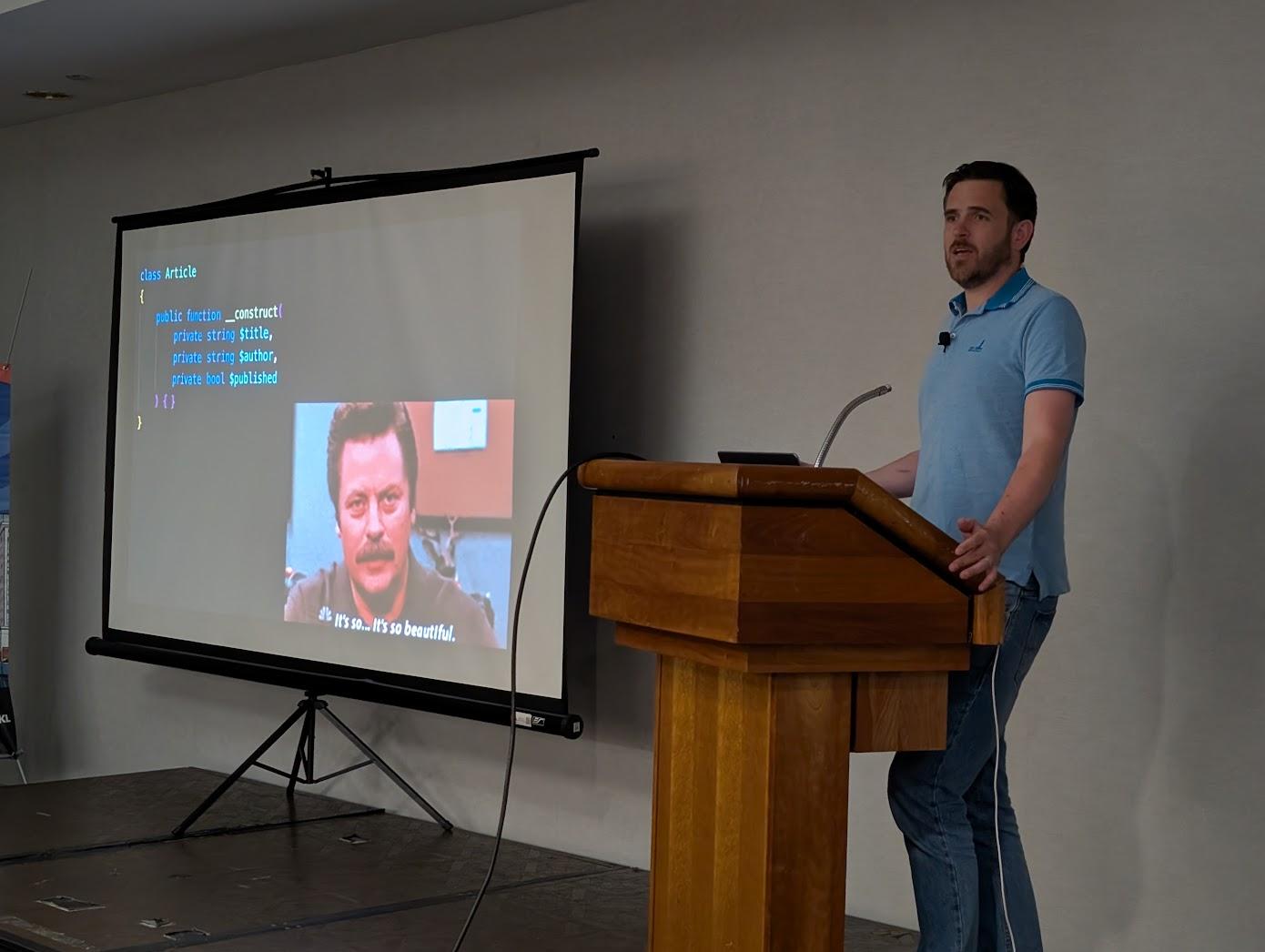
They are quite different talks. One is a tour through useful language features that can make day-to-day PHP a bit cleaner, safer or more expressive. The other is about idempotency, which is not exactly a topic that screams "conference glamour", but remains one of those subjects that developers run into sooner or later if they are building APIs that need to behave properly under retries, failures and general internet weirdness.
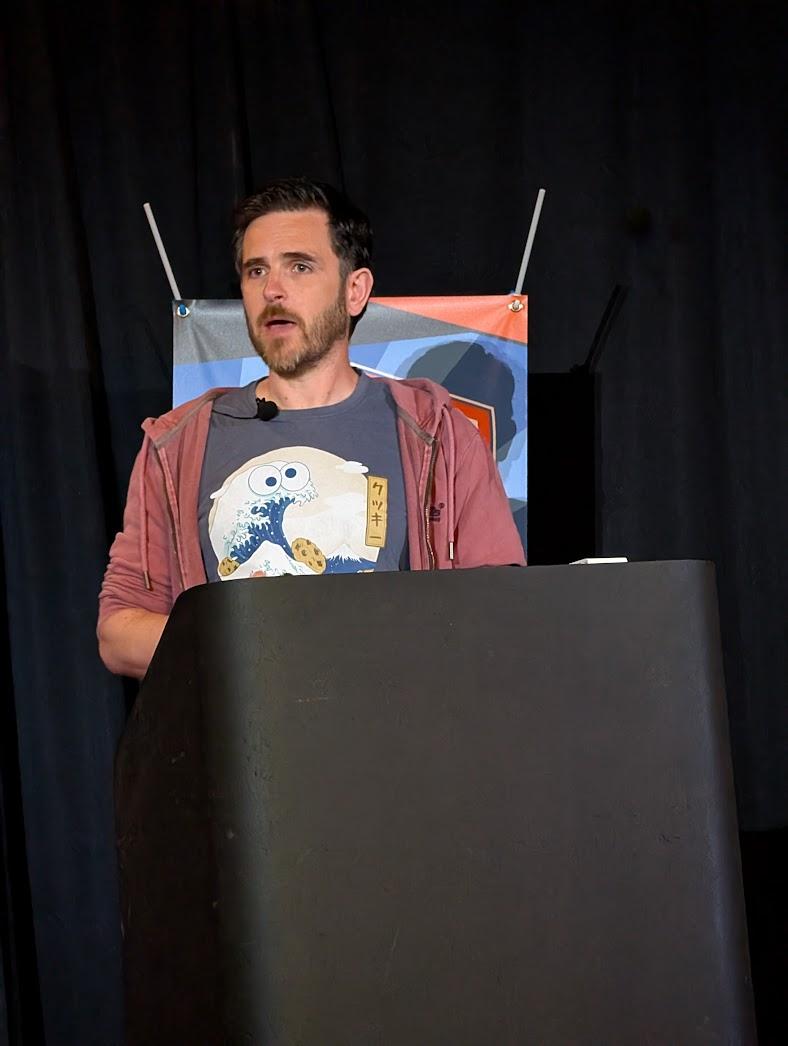
Both talks went well, with plenty of questions in the room and some lovely follow-up conversations afterwards. Always a relief when people do not immediately flee at the mention of idempotency! Though on reflection I did get nearly as many questions and comments about my Cookie Monster t-shirt as the presentation itself. Still, attention is attention!
Practical Talks, In The Best Sense
One thing I really enjoyed about PHP[tek] was how practical so many of the talks were. Not vague "food for thought", or broad predictions about where everything is going. There was a lot of concrete, useful, "I want to go home and try this" material.
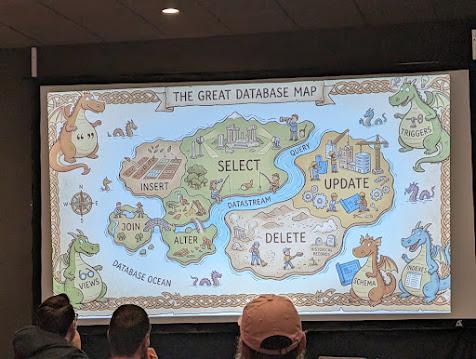
Shane Rosenthal's talk on NativePHP was a great example. It gave a really clear sense of how natural it can now feel to build native-feeling apps with PHP. That still feels faintly strange to say, but the tooling has clearly moved a long way very quickly.
Andy Snell's session on data structure databases was full of "I didn't know Redis could do that" moments. Redis is one of those tools lots of us use in a fairly narrow way, then occasionally someone opens a door and shows you there is a whole other building behind it.
Larry Garfield's PHPUnit talk was packed with useful ways to clean up and rethink parts of a test suite. I always enjoy talks that do not just say "you should test more", but get into the more useful question of how to make the tests you already have better, clearer and less annoying to live with.
Alexandre Daubois gave a really interesting talk on writing PHP extensions in Go, and made extension development feel a lot more approachable than I would have expected. That paired nicely with James Titcumb's talk on PIE, which pointed towards a much nicer future for installing and working with PHP extensions.
There was also a very useful SQL session from Scott Keck-Warren, which was a reminder that there is an awful lot hiding in the databases we use every day. Most of us are probably guilty of treating the database as somewhere between a filing cabinet and a spreadsheet on steroids. Then you see a talk like that and remember there is a lot more power there if you push it properly.
The Hallway Track
As usual, the best parts of an in-person conference are not only the scheduled sessions. The talks give everyone a reason to be in the same place, but the real value often shows up in the gaps: hallway chats, lunch conversations, evening events, and the strange little clusters of people that form around coffee tables.
There was plenty of that at PHP[tek]. Conversations about PHP, AI, testing, the job market, package maintainership, conference organising, and occasionally absolutely nothing sensible at all.
That mix is hard to reproduce online. Slack and video calls are useful. But they rarely give you the same accidental conversations, or the same chance to bump into someone you have known online for years and immediately find yourself deep in a discussion about some tiny edge of a framework, a package, or a job market trend.
PHP[tek] created a lot of space for that, which is one of the things a good community conference does best.
Battlesnake, Board Games and Wurstcon
The social side of the conference was very well done too. There was Battlesnake, board games, karaoke, and my first Wurstcon.
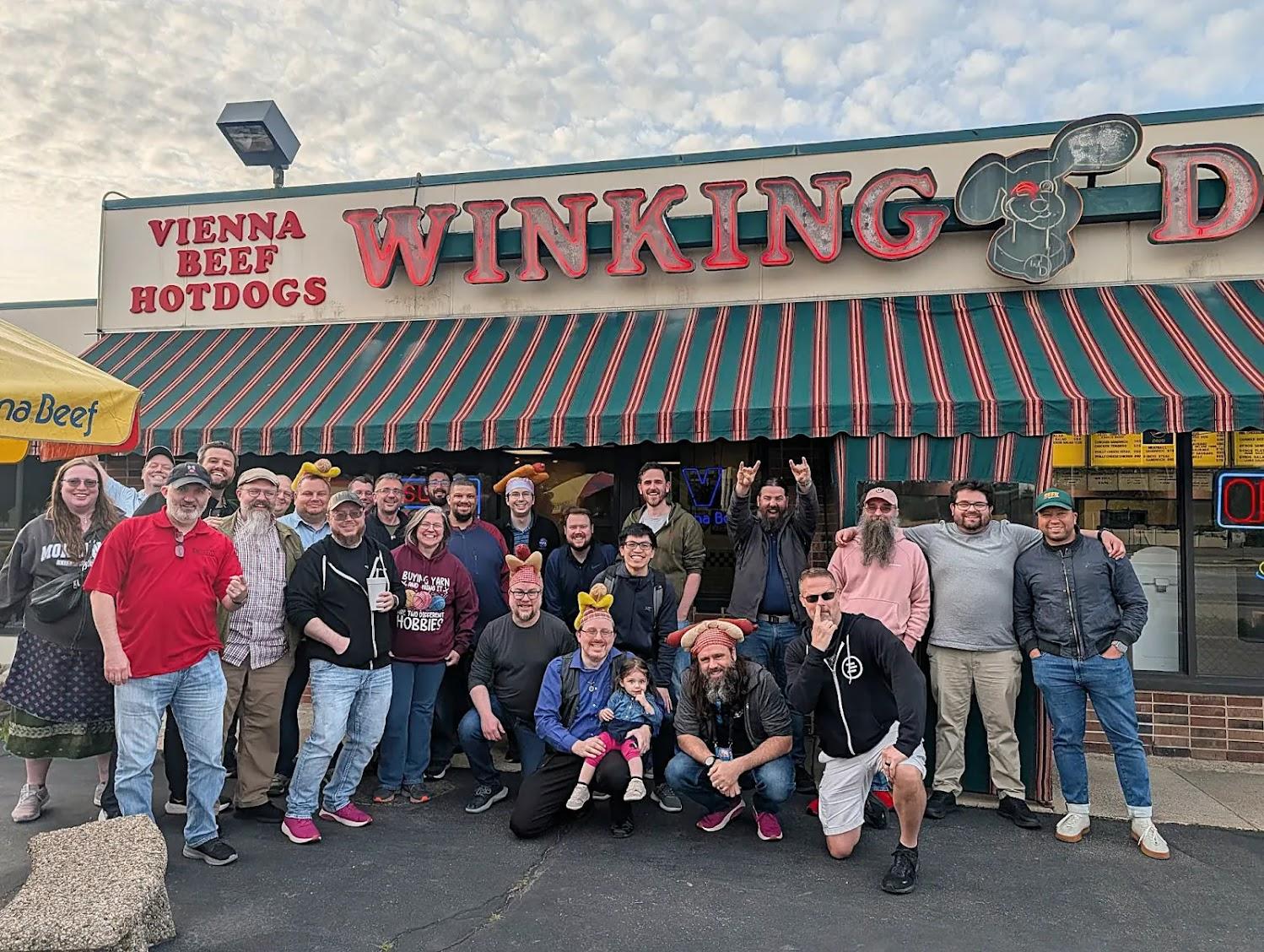
Wurstcon was a particular highlight. For one thing, I learned that putting ketchup on a hot dog in Chicago is apparently not just frowned upon, but treated as a small civic offence. I am not sure I fully understand the rules, but I respected them out of fear.
It was also great to hear Ben Ramsey talk about the history of the event, and to watch Daniel Scherzer and Joseph Leedy test the dad-joke tolerance levels of Dave Liddament, James Titcumb and Chris Tankersley.
A very fun, very warm, very conference-y way to finish an evening.
Keeping The Show On The Road
The organisation of the event was impressive, especially given the circumstances.
Some issues at the venue on day one meant the main room was suddenly cordoned off, with a lot of the conference equipment unreachable. That is the kind of thing that can derail an event very quickly, particularly when it happens after everyone has already arrived and the schedule is in motion.
John Congdon, Eric Van Johnson and the team did a great job keeping everything moving. From the outside, at least, the conference still felt calm, organised and on track, which is usually a sign of a lot of frantic work happening somewhere just out of view.
A Bit of Chicago
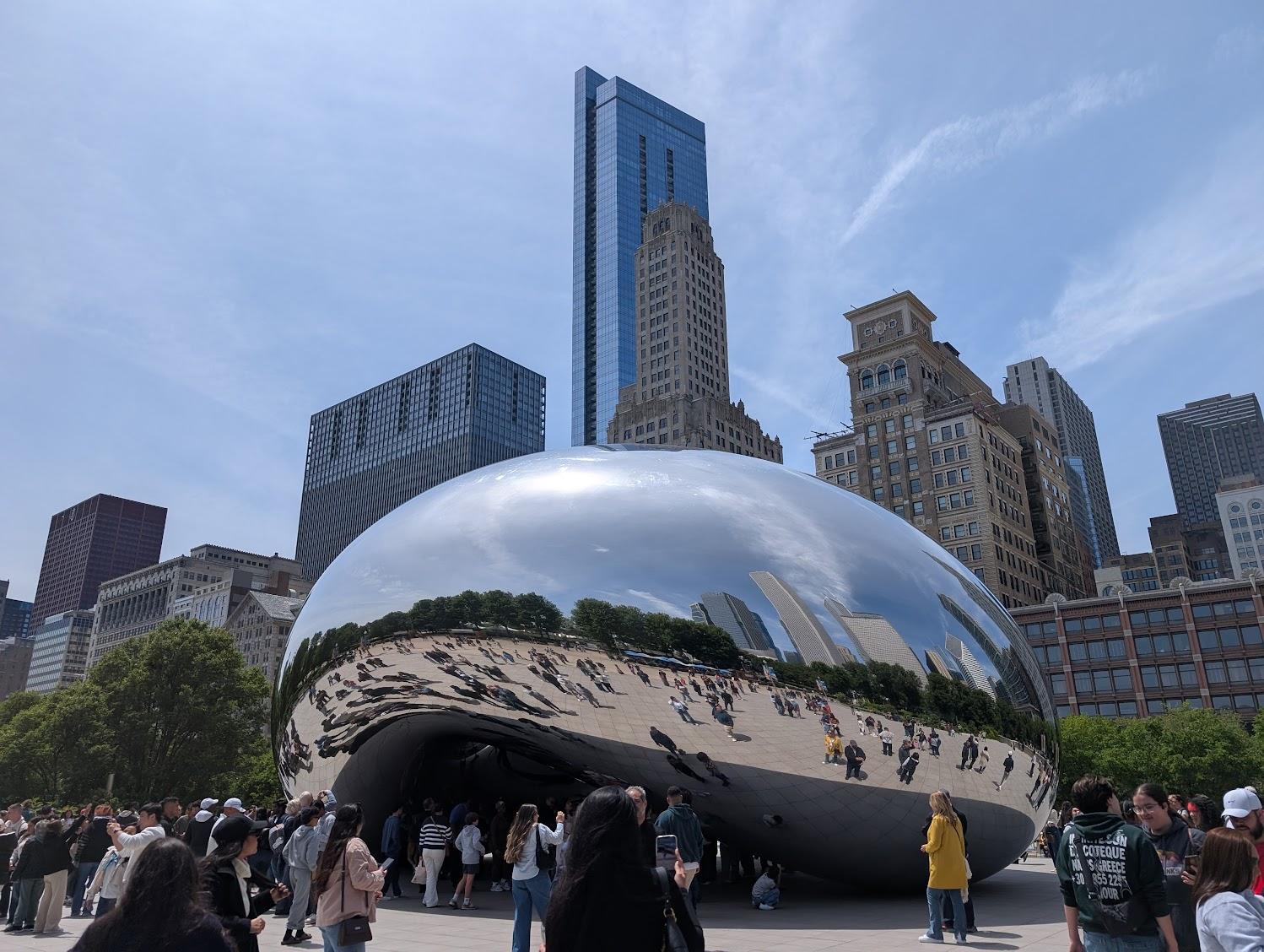
I also managed to see a bit of Chicago on the final day, which was a good decision.
First stop was the Willis Tower, or the Sears Tower as my brain still insists on calling it. The Skydeck has a glass box called The Ledge, where you step out over the edge of the building, 103 floors up, with only 1.5 inches of glass between you and a very sudden and abrupt gravitational correction.
The logical part of your brain knows this is fine. It is a major tourist attraction. THousands of people do this every day. It's perfectly safe.
Unfortunately, there is another, older part of your brain that has no interest in the published safety record. The monkey brain sees the edge, sees the street a very long way below, and starts issuing much clearer instructions. Do not walk forward.
I did eventually make it out onto the glass, but there was a definite moment where my feet stopped accepting management input.
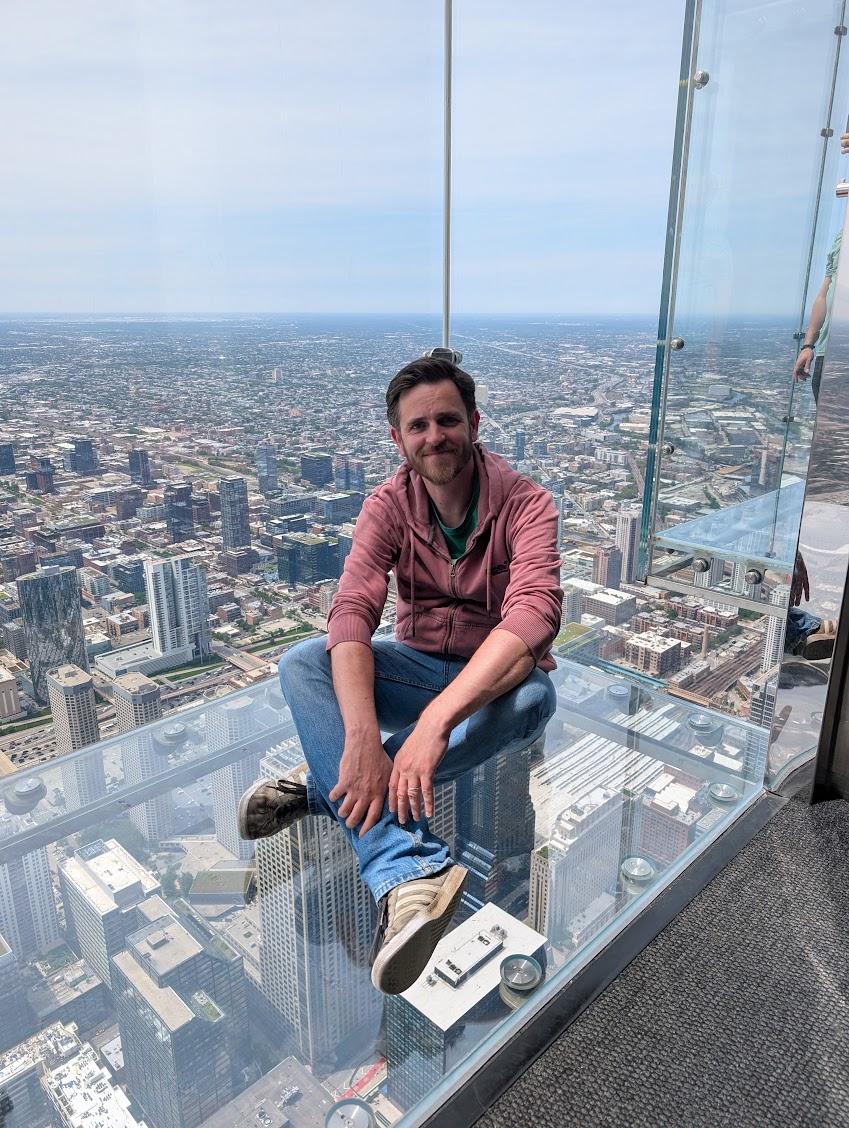
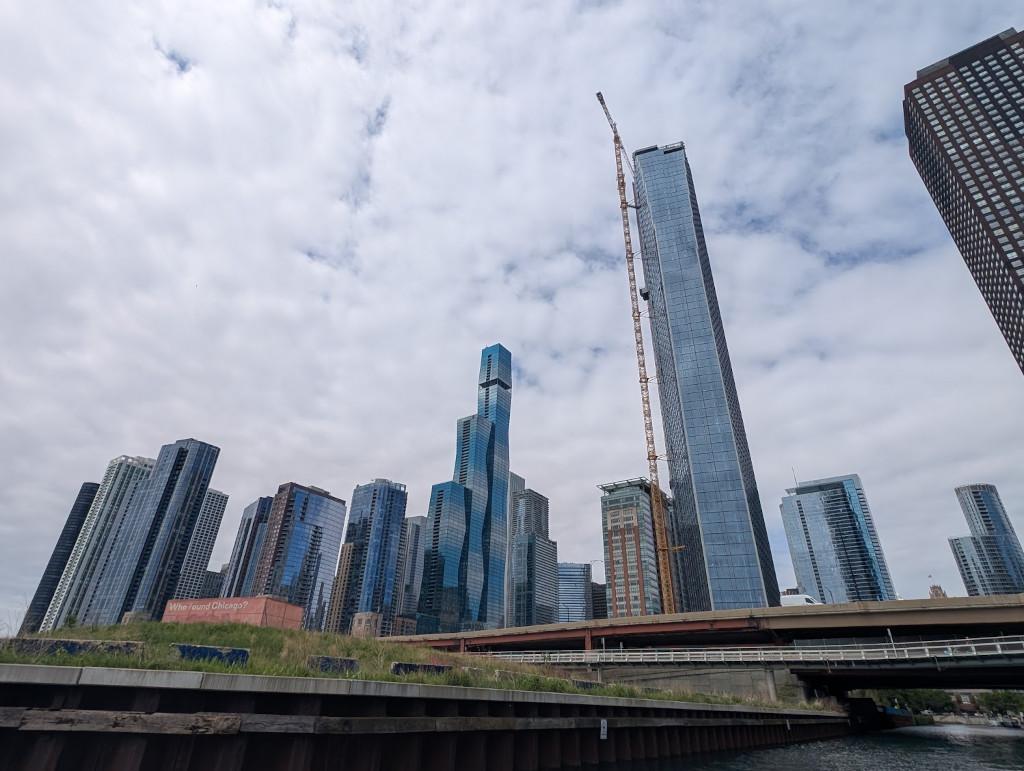
I also did the Chicago architecture boat tour, which does not sound like the most rip-roaring outing at first blush. But it was brilliant, definitely worth a visit if you're in town.
It is a lovely way to see a huge stretch of the city, and to understand a bit more about how Chicago grew, burned, rebuilt, and expanded upwards along the river. You get the skyline, the history, and the engineering, while relaxing with a cold drink on a hot day. Hard to argue with that.
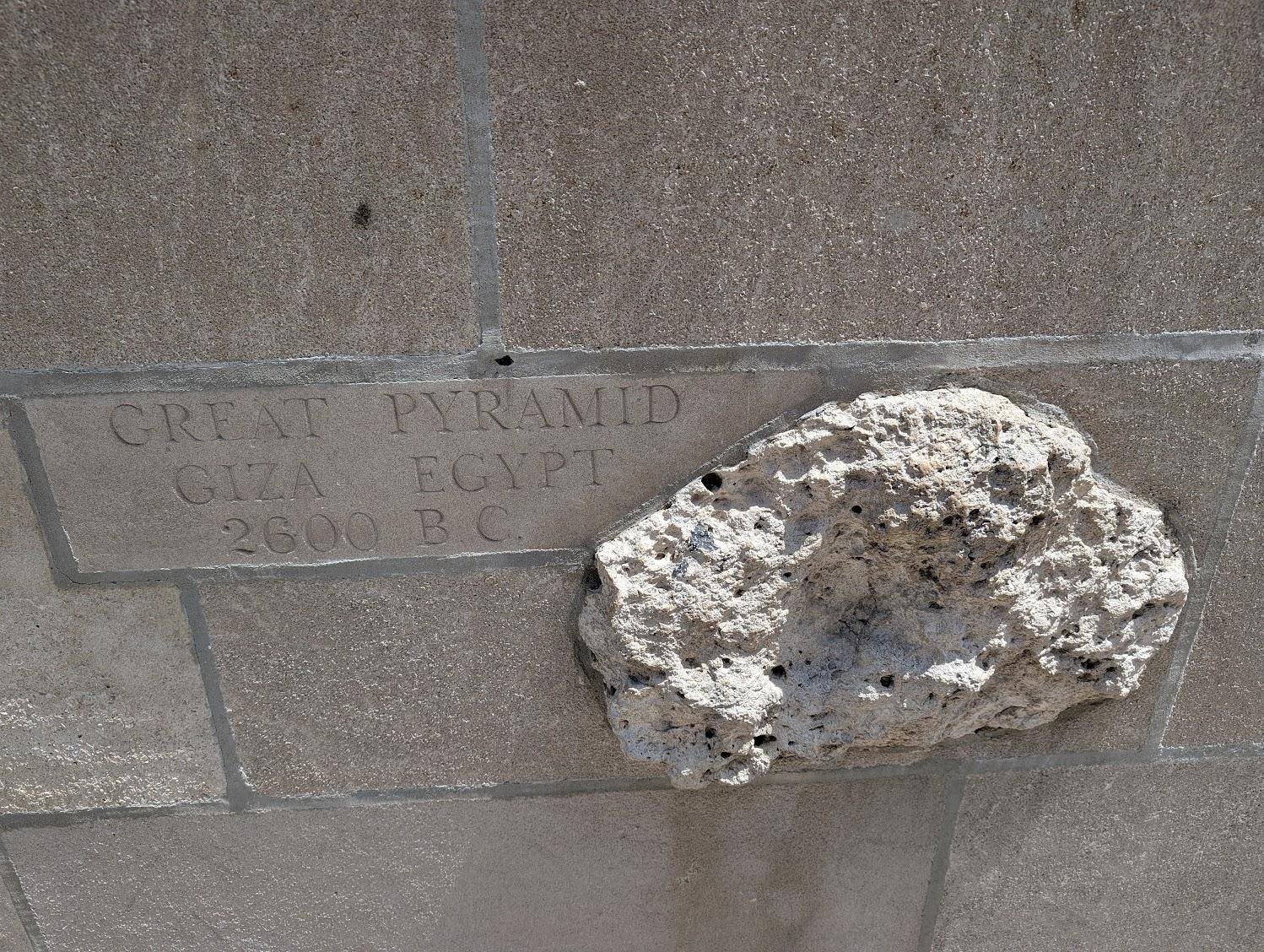
One detail from the tour that really stuck with me was the Tribune Tower. When the tower was built, the Chicago Tribune gathered stones and fragments from famous places around the world and embedded them into the walls of the building. The Great Pyramid, St Peter's Basilica, the White House, the Forbidden City, and many more.
You can literally walk around the building and touch pieces of history from all over the world. It is a wonderfully odd idea, and exactly the kind of thing I love stumbling across in a city. Go around the world by circling one building. Very cool indeed.
The Elephpant Situation
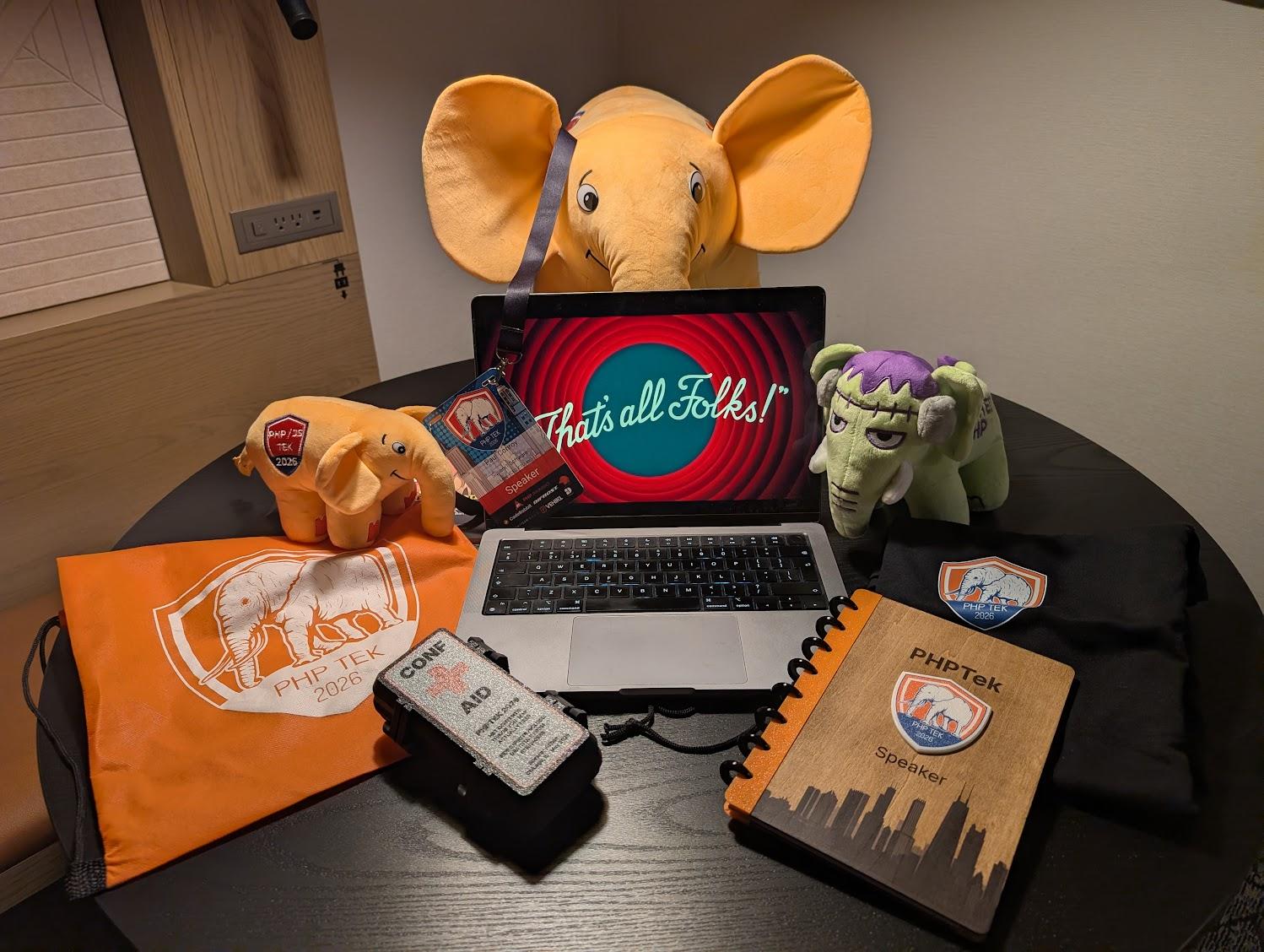
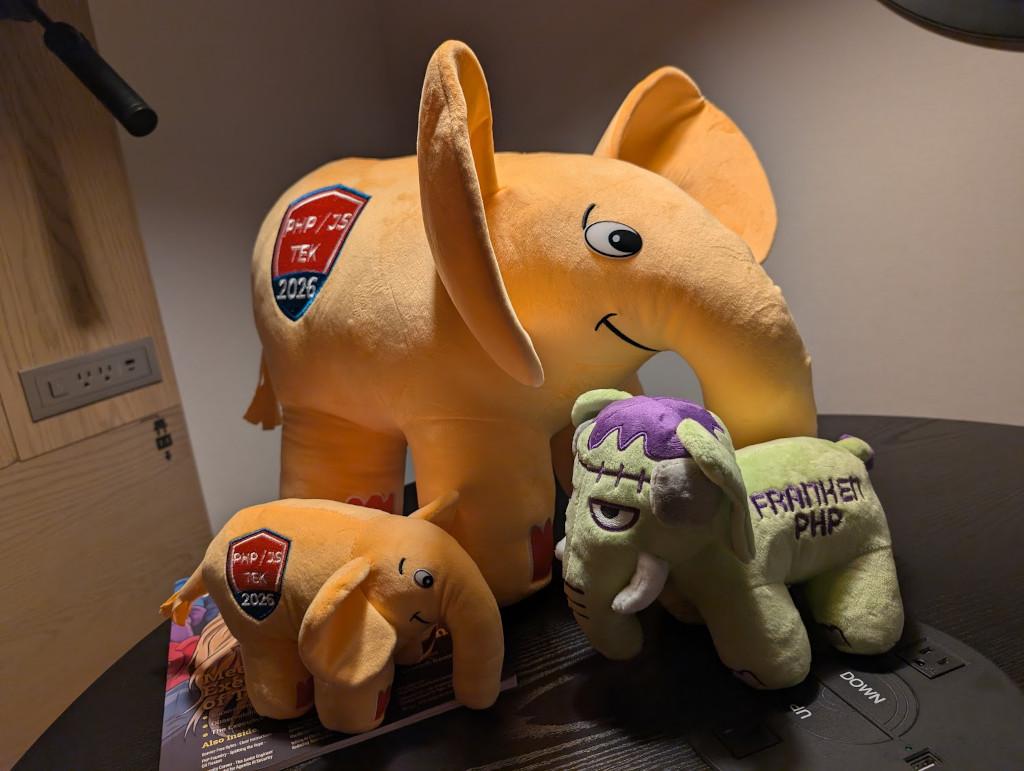
I also somehow came home with not one but three special elephpants.
First, there was the tek elephpant given to speakers, a very cool little yellow guy. Then, I was lucky enough to win a lottery for a very cool FrankenPHP elephpant after Alex's talk. That was a great haul, then on the final night, I won an enormous PHP[tek] elephpant from the draw.
My luggage on the way home was about 90% stuffed elephpant. But all three made it home, and have joined the growing collection.
First Time, Not The Last
PHP[tek] was a brilliant few days. Great talks, useful conversations, a very welcoming community, and a strong reminder of why getting a bunch of developers into the same place still pays dividends.
It is easy to be cynical about conferences. Travel is tiring, schedules are busy, and most of us already spend enough time away from home and too much time in airports. But when an event gets the mix right - practical talks, generous hallway conversations, and enough social structure to help people actually meet each other - it is still hard to beat.
My first PHP[tek], and hopefully not my last!